
The Art of Street Performance: How to Capture and Keep a Crowd
Playing music on the street is about much more than talent. Every successful busker understands that people rarely stop because they planned to watch a performance—they stop because something catches their attention and gives them a reason to stay.
Unlike a concert audience, pedestrians are constantly deciding whether to keep walking or invest a few minutes of their time. Winning that decision requires a combination of music, presentation, psychology, and communication.
Whether you’re performing on a busy city street, in a public square, or at a local market, learning how to engage passersby can dramatically improve your audience size, your tips, and your confidence.
This guide explores the techniques experienced street musicians use to attract crowds, maintain energy, and turn casual listeners into loyal fans.
Understanding the Street Audience
Street audiences behave differently from concert audiences.
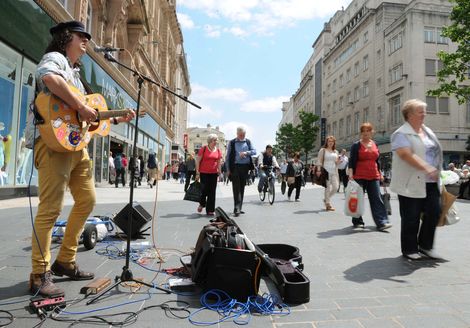
People walking by are often:
- In a hurry
- Distracted by phones
- Talking with friends
- Shopping
- Commuting
- Thinking about work
- Unsure whether they should stop
Your first challenge isn’t impressing them—it’s interrupting their routine in a positive way.
The first 10–20 seconds of your performance are often the most important.
The Psychology Behind Why People Stop
Human behavior follows predictable patterns.
Successful buskers use several psychological triggers without even realizing it.
Curiosity
People naturally investigate unusual or interesting situations.
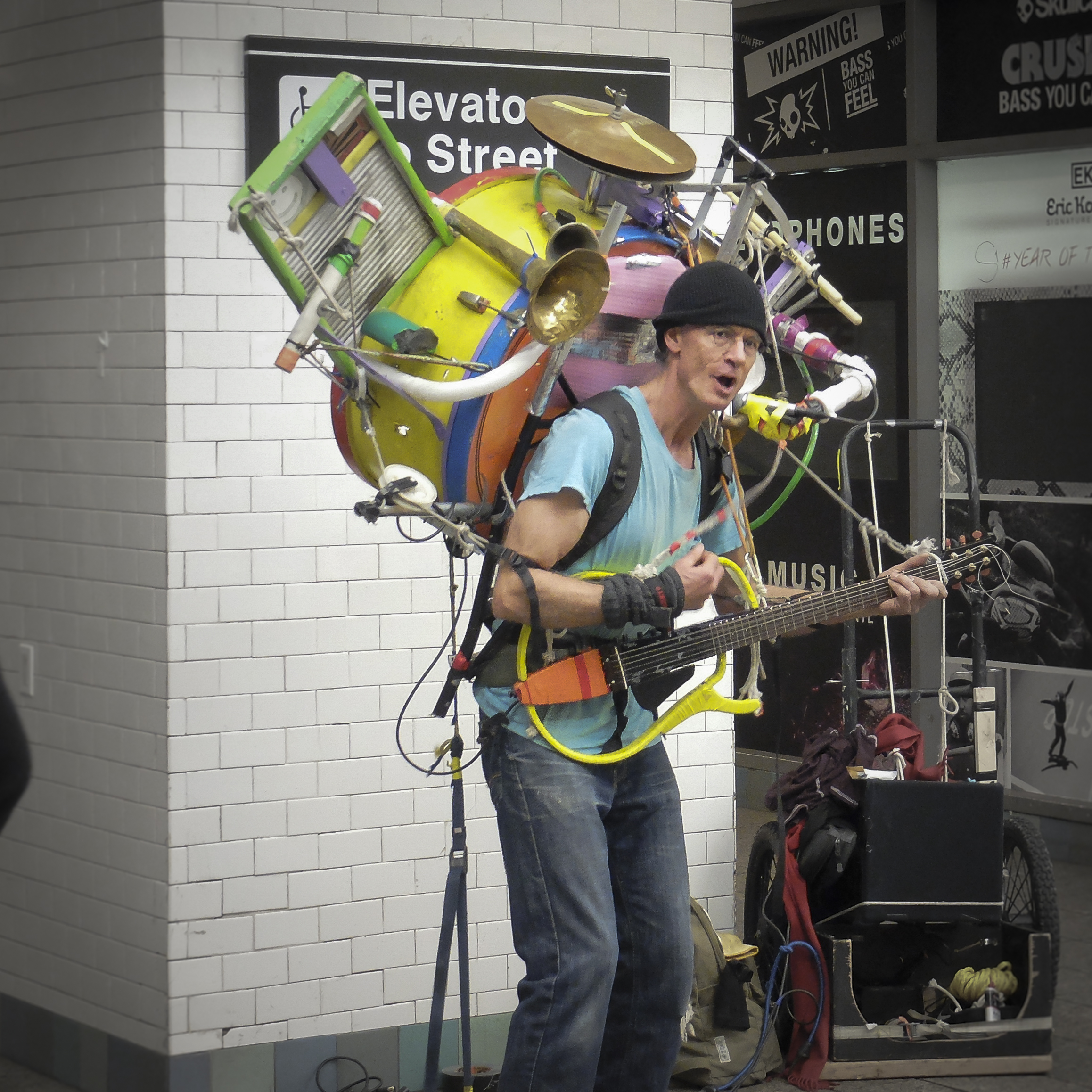
A powerful opening song, an unexpected instrument, or a unique visual setup can encourage someone to slow down and look.
Once one person stops, others become curious too.
Social Proof
People often follow the behavior of others.
If two or three listeners are already watching, newcomers are much more likely to stop.
This is why experienced street performers never appear discouraged when the audience is small.
Every new listener increases the chance that another person will join.
Emotional Connection
Music creates emotional responses almost instantly.
Songs that evoke nostalgia, excitement, joy, or even sadness tend to keep audiences engaged longer.
Choose music that makes people feel something.
Technical perfection is less important than emotional delivery.
Choosing the Right Opening Song
Never begin with your slowest or most complex piece.
Your opening should:
- Be recognizable
- Have a strong rhythm
- Start confidently
- Showcase your strengths
Popular songs often attract attention more quickly than unfamiliar material.
Once you’ve gathered a crowd, you can introduce original music or lesser-known songs.
Creating an Inviting Performance Space
Your setup—or backline—communicates professionalism before you play a single note.
A clean, organized performance area encourages people to stop.
Your setup should include:
- Neatly arranged instruments
- Stable microphone stand
- Reliable speaker
- Clearly visible tip container
- Simple sign with your artist name
- QR code for digital donations
- Social media handles
Avoid clutter. Too much equipment can distract from your performance and make your space feel inaccessible.
Dress Like a Performer
Your appearance helps tell your story.
Choose clothing that matches your musical identity.
Whether your style is:
- Folk
- Rock
- Jazz
- Country
- Indie
- Classical
- Pop
your outfit should feel authentic and well cared for.
People often decide whether to stop before hearing the first chord.
Master the Dynamics of Your Performance
One of the biggest mistakes new street musicians make is performing every song at the same energy level.
A memorable set has movement.
Alternate between:
- Upbeat songs
- Emotional ballads
- Crowd favorites
- Instrumental moments
- Interactive songs
Variation keeps audiences interested and prevents your performance from feeling repetitive.
Think of your set as telling a story rather than playing a playlist.
Speak to Your Audience
Many musicians avoid talking because they fear interrupting the music.
In reality, brief and genuine interaction builds connection.
Simple phrases such as:
- “Thank you for stopping!”
- “I hope you’re enjoying the music.”
- “This next song is one of my favorites.”
- “Have a wonderful afternoon!”
can make listeners feel included.
Keep comments short so the performance remains the focus.
Use Body Language to Invite People In
Confident body language is contagious.
Remember to:
- Smile naturally
- Stand comfortably
- Make occasional eye contact
- Avoid staring at your instrument constantly
- Acknowledge applause with gratitude
People enjoy performers who appear to enjoy themselves.
Confidence encourages trust.
Encourage Audience Participation
Interactive performances are often the most memorable.
Invite listeners to:
- Clap along
- Sing familiar choruses
- Snap their fingers
- Dance if they feel comfortable
Even small moments of participation create stronger emotional memories.
Families with children especially appreciate interactive performances.
The Art of Accepting Donations
Many beginners feel uncomfortable asking for tips.
Remember that donations allow street performers to continue creating music.
People generally appreciate having an easy way to support artists they enjoy.
Make Your Tip Jar Visible
If listeners can’t see where to leave money, many simply won’t.
Good options include:
- An open guitar case
- A decorated hat
- A transparent donation jar
- A small wooden box
Place it where it’s clearly visible without blocking pedestrian traffic.
Add Digital Payment Options
Many people no longer carry cash.
Displaying QR codes for digital payments makes supporting your music much easier.
Popular options may include:
- PayPal
- Venmo (where available)
- Cash App (where available)
- Revolut
- Local banking apps
Print the QR code clearly and protect it from weather with a laminated sign.
Make Supporting You Feel Easy
Instead of directly asking for money, frame donations as appreciation.
Friendly signs such as:
- “Tips help keep the music playing.”
- “Thank you for supporting independent musicians.”
- “Every contribution helps create more music.”
feel welcoming rather than demanding.
Know When to Finish a Song
Avoid ending songs abruptly.
Pause briefly after each performance.
Smile.
Allow applause to happen naturally.
Many donations occur during these moments of transition.
If you immediately begin the next song, listeners may lose the opportunity to contribute.
Turn Listeners into Fans
Street performances can become the beginning of long-term relationships.
Display:
- Instagram QR code
- Spotify profile
- YouTube channel
- TikTok account
- Personal website
Encourage people to follow your journey.
Someone who discovers you on the street today may attend your concert tomorrow.
Handle Challenges Professionally
Every street musician eventually experiences:
- Bad weather
- Low foot traffic
- Equipment problems
- Noise interruptions
- Negative comments
Remain calm.
Professionalism often impresses audiences more than perfection.
Treat every performance as valuable experience.
Common Mistakes That Reduce Audience Engagement
Avoid these frequent errors:
- Starting with slow songs.
- Looking at the ground throughout the performance.
- Speaking too much between songs.
- Playing every song at the same volume and tempo.
- Hiding your tip container.
- Ignoring audience reactions.
- Performing without visible branding.
- Giving up after a small crowd leaves.
Small improvements in presentation often have a greater impact than expensive equipment.
Build Confidence Through Experience
No performer captivates every audience.
Even experienced buskers encounter quiet days.
The key is consistency.
Every performance teaches you:
- Which songs attract crowds.
- Which locations work best.
- How audiences respond.
- How to improve your stage presence.
Over time, you’ll develop instincts that can’t be learned from books or videos.
Final Thoughts
Street performance is both an art and a conversation. While musical ability is essential, your success often depends on how effectively you connect with people, manage the energy of your set, and create an inviting atmosphere.
By understanding audience psychology, organizing a professional-looking setup, varying the dynamics of your performance, and making it easy for people to support your work through cash or digital donations, you can transform a simple sidewalk performance into a memorable experience.
Every crowd begins with a single person who decides to stop and listen. Give them a reason to stay—and they’ll often inspire others to do the same.