

Meta Title: Time Management Tips for Independent and DIY Musicians
When people see a musician performing on stage or entertaining crowds on the street, they often assume that’s what a musician’s life looks like every day. In reality, the performance itself is only a small part of the job.
For independent artists, the hours between performances are filled with rehearsals, songwriting, recording, editing videos, answering messages, organizing gigs, maintaining equipment, planning releases, and often working another job to support their musical ambitions.
Being a DIY musician means becoming not only an artist but also your own manager, promoter, content creator, booking agent, and business owner.
Without good time management, even the most talented musicians can feel overwhelmed. Fortunately, a structured routine can help you stay productive while still enjoying the creative process.
The Reality of Being a DIY Musician
Independent musicians rarely have large teams supporting them.
Instead, they often handle tasks such as:
- Writing new music
- Practicing instruments
- Recording and producing songs
- Designing artwork
- Scheduling performances
- Communicating with venues
- Managing social media accounts
- Editing videos
- Answering emails
- Updating websites
- Organizing finances
- Maintaining equipment
This variety makes every day different, but it also creates constant competition for your time.

Creativity Needs Structure
Many artists believe creativity should happen spontaneously.
While inspiration is important, relying on inspiration alone often leads to unfinished projects.
Professional musicians understand that creativity grows through consistent habits.
Rather than waiting for the perfect mood, they create regular opportunities for inspiration by showing up every day.
A schedule doesn’t limit creativity—it protects it.
Prioritize Your Most Important Goals
It’s easy to stay busy without making meaningful progress.
Ask yourself:
- Do I want to release new music?
- Am I preparing for live performances?
- Is audience growth my priority?
- Am I learning production skills?
- Do I want to earn more from music?
Once your primary goal is clear, daily decisions become much easier.
Not every task deserves the same amount of attention.
Organize Your Week Instead of Your Day
Planning an entire week is often more effective than creating rigid daily schedules.
For example:
Monday
- Songwriting
- Lyric development
Tuesday
- Instrument practice
- Vocal exercises
Wednesday
- Recording
- Mixing
Thursday
- Video creation
- Social media content
Friday
- Administrative work
- Emails
- Booking performances
Weekend
- Live shows
- Busking
- Networking
- Rest and recovery
Grouping similar tasks reduces mental fatigue and improves efficiency.
Create a Consistent Practice Routine
Practice is the foundation of every musician’s growth.
Instead of practicing for several hours once a week, aim for shorter, focused sessions.
Effective practice might include:
- Technical exercises
- Learning new songs
- Improvisation
- Rhythm training
- Ear training
- Stage performance rehearsal
Even thirty focused minutes every day can produce significant long-term improvement.
Consistency always beats intensity.
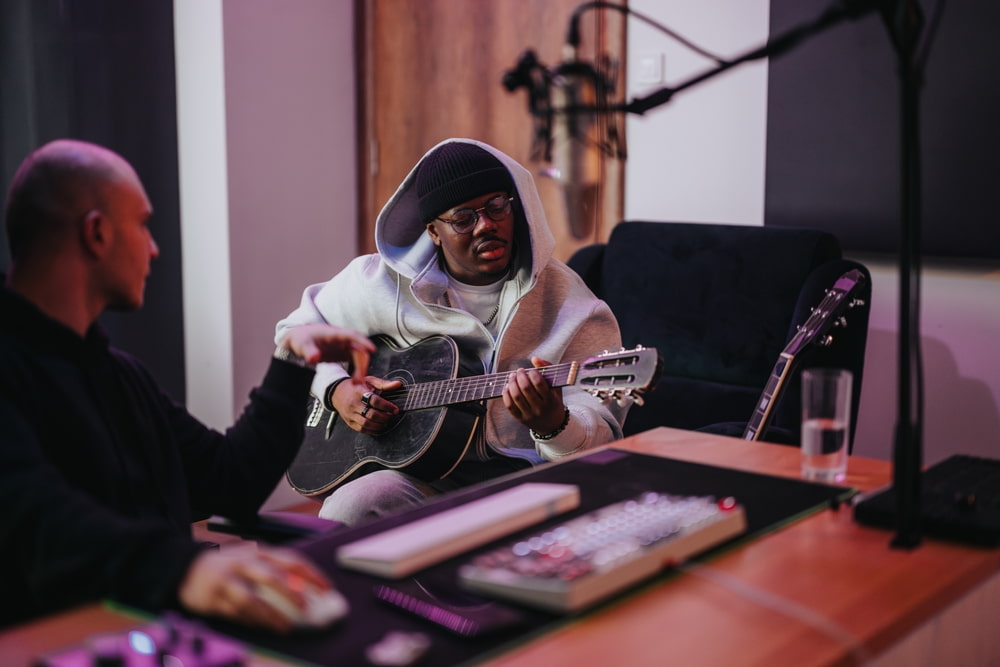
Make Time for Songwriting
Songwriting often gets postponed because it feels less urgent than answering emails or posting on social media.
Protect your creative time.
Turn off notifications.
Silence your phone.
Allow yourself uninterrupted writing sessions without worrying about whether every idea is perfect.
The first draft is supposed to be imperfect.
Your job is to create before you begin editing.
Balance Music and Social Media
Modern musicians spend a surprising amount of time online.
Social media is valuable, but it shouldn’t replace making music.
A practical approach is to batch-create content.
For example, record several videos or take multiple photos during one rehearsal, then schedule posts throughout the week.
This keeps your online presence active without requiring daily filming sessions.
Remember that your music is the foundation—social media exists to support it, not replace it.
Managing Music Alongside a Full-Time Job
Many successful artists spent years balancing music with another profession.
If you work full-time, focus on realistic expectations rather than perfection.
Small, consistent efforts accumulate over time.
You might:
- Practice before work.
- Write lyrics during lunch breaks.
- Edit videos in the evening.
- Record on weekends.
- Schedule releases in advance.
Progress is still progress, even if it happens more slowly than you’d like.
Learn to Say No
Every opportunity isn’t necessarily the right opportunity.
Accepting every performance, collaboration, or project can quickly lead to exhaustion.
Before saying yes, ask yourself:
- Does this support my long-term goals?
- Will I have enough time to prepare properly?
- Will it improve my skills or audience?
- Is it financially worthwhile?
Protecting your time is part of building a sustainable career.
Keep Your Workspace Organized
A tidy creative space reduces unnecessary stress.
Keep your:
- Instruments maintained
- Cables organized
- Recording equipment ready
- Song ideas documented
- Project files backed up
The easier it is to begin working, the more often you’ll create.
Use Digital Tools to Stay Organized
Technology can simplify many routine tasks.
Helpful tools include:
- Digital calendars
- Task management apps
- Cloud storage
- Note-taking apps
- Content scheduling platforms
- Budget tracking spreadsheets
You don’t need complicated systems.
Choose a few tools that genuinely make your workflow easier.
Don’t Forget About Physical and Mental Health
Creative work requires energy.
Support your creativity by taking care of yourself.
Prioritize:
- Quality sleep
- Regular exercise
- Healthy meals
- Hydration
- Time outdoors
- Breaks from screens
Healthy habits improve concentration, creativity, and performance.
Your body is one of your most valuable instruments.
Leave Room for Rest
Many independent musicians feel guilty when they aren’t working.
However, constant productivity isn’t sustainable.
Taking breaks helps:
- Prevent burnout
- Improve focus
- Generate fresh ideas
- Maintain enthusiasm for music
Rest isn’t wasted time.
It’s part of the creative process.

Review Your Progress Regularly
Every month, take time to evaluate your progress.
Ask yourself:
- What did I accomplish?
- Which habits worked well?
- What distracted me?
- Which projects should I prioritize next?
- Am I spending enough time creating music?
Reflection helps you improve your routine instead of simply repeating it.
Common Time Management Mistakes
Many DIY musicians struggle because they:
- Spend more time scrolling than creating.
- Try to multitask constantly.
- Accept every opportunity.
- Ignore planning.
- Work without clear priorities.
- Neglect rest.
- Compare their productivity to other artists online.
Remember that every musician’s circumstances are different.
Build a routine that fits your own life rather than copying someone else’s schedule.
Success Is Built Between Performances
The audience sees the finished performance.
They don’t see:
- The early morning practice sessions.
- The rewritten lyrics.
- The late-night editing.
- The rejected demos.
- The countless rehearsals.
Those unseen hours shape every successful artist.
Your daily habits matter far more than occasional moments of inspiration.
Final Thoughts
Life as a DIY musician is about much more than performing. The hours between concerts and street performances are where careers are quietly built through disciplined practice, thoughtful planning, creative exploration, and consistent effort.
Balancing music with work, personal responsibilities, and self-promotion isn’t always easy, but it becomes manageable when you focus on sustainable routines instead of perfection. By organizing your time, protecting your creative energy, and maintaining healthy habits, you can continue growing as both an artist and a professional.
Every rehearsal, every song idea, every social media post, and every small step contributes to your long-term success. The stage may be where people discover your music, but it’s the work you do between performances that determines how far your journey will take you.