Making Music on a Budget: How to Record and Promote Your Music Without Spending a Fortune
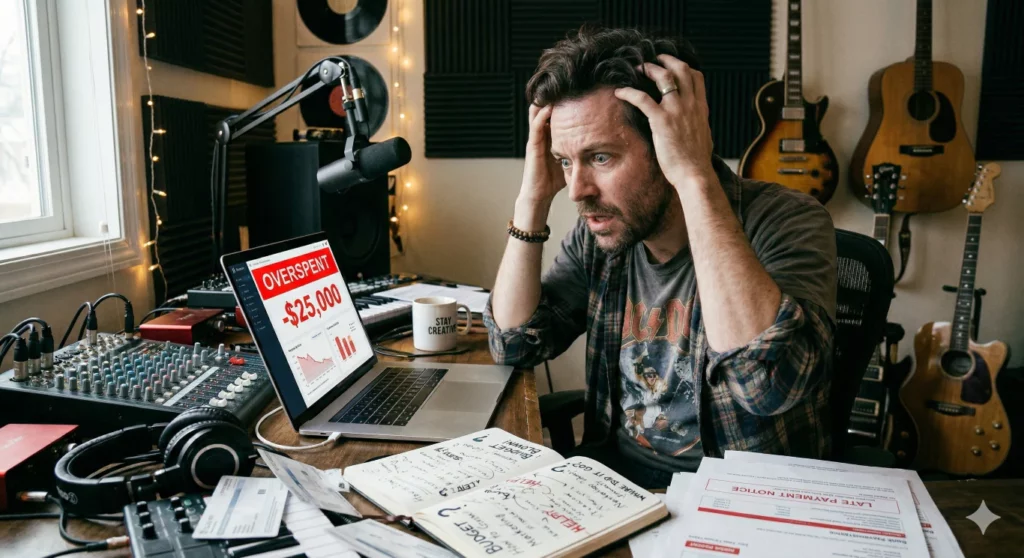
One of the biggest myths in the music industry is that you need thousands of dollars to build a successful music career. While professional studios, expensive equipment, and large marketing campaigns can certainly help, they are no longer essential for independent artists.
Today, countless musicians record hit songs from their bedrooms, release them worldwide, and build loyal fan bases using little more than a laptop, a microphone, and consistent creativity.
If you’re an aspiring musician with limited resources, this guide will show you how to record high-quality music, distribute it to major streaming platforms, and promote it effectively—all without breaking the bank.
Why You Don’t Need a Huge Budget Anymore
Modern technology has completely changed the music industry.
Twenty years ago, recording an album required renting an expensive recording studio, hiring engineers, and paying for physical distribution. Today, affordable software and online platforms allow independent musicians to compete with major-label artists.
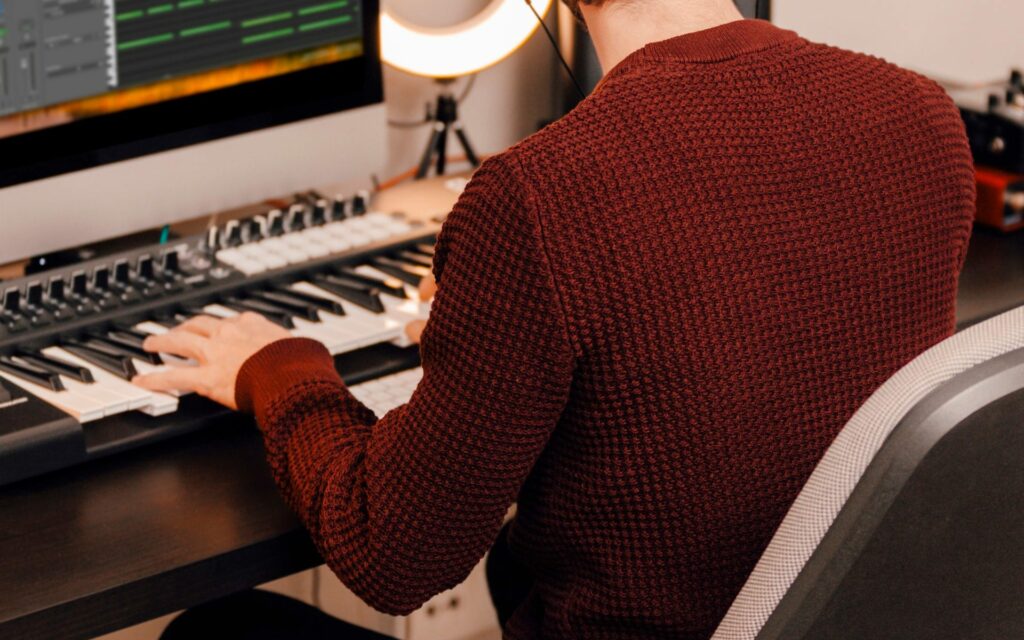
Instead of spending money on expensive gear, successful artists often invest in:
- Better songwriting
- Consistent content creation
- Building relationships with fans
- Learning new production skills
- Smart digital marketing
Creativity almost always beats a large budget.
Step 1: Build a Simple Home Recording Studio
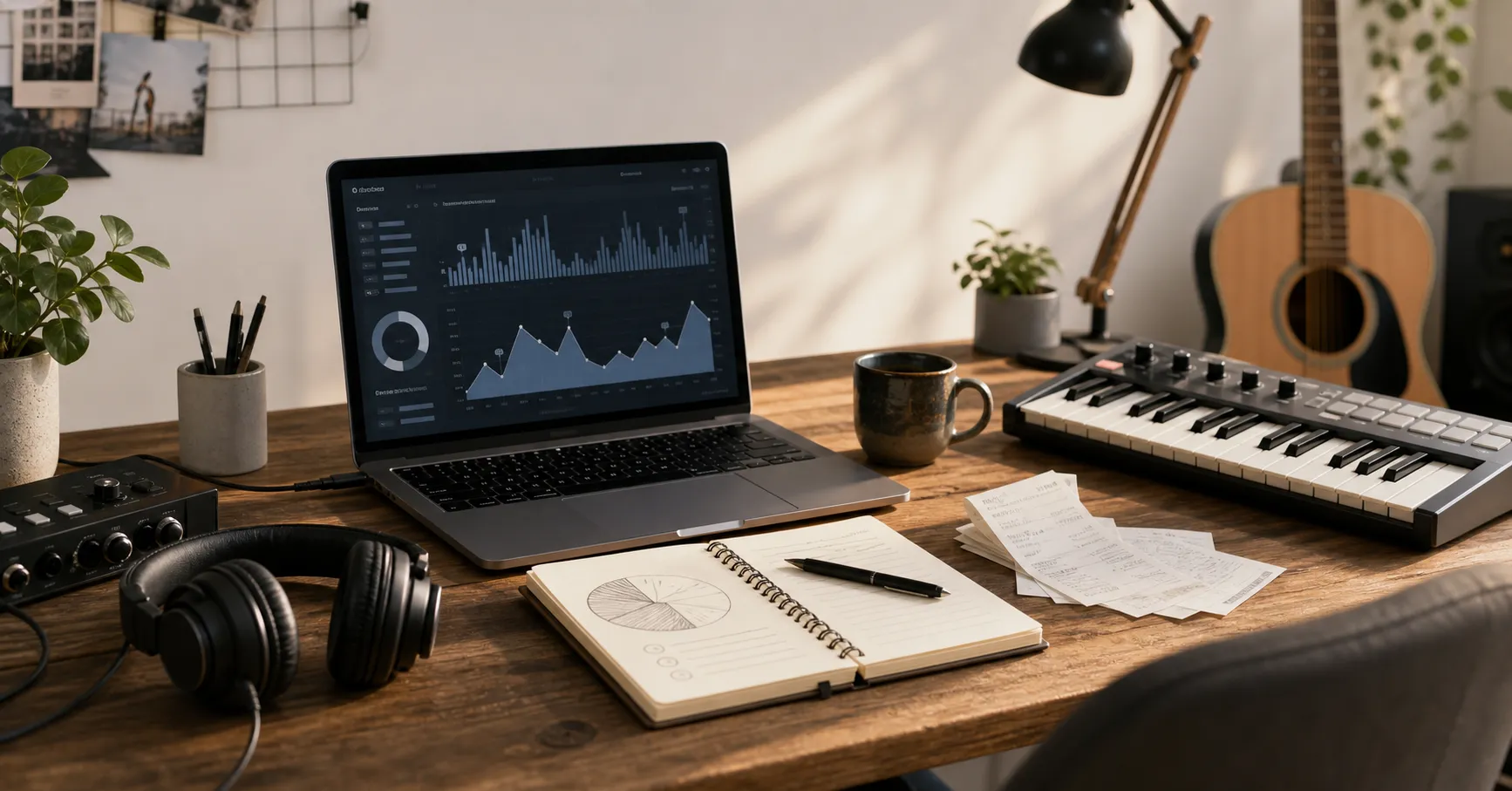
You don’t need a professional studio to produce great music.
Many successful independent artists record vocals and instruments from home using relatively inexpensive equipment.
Essential Home Recording Equipment
Start with the basics:
- A reliable computer or laptop
- A USB or audio interface
- A quality condenser or dynamic microphone
- Closed-back headphones
- Studio monitor speakers (optional for beginners)
- A microphone stand
- Pop filter
- Basic acoustic treatment such as foam panels, thick curtains, or blankets
Even a small bedroom can become a productive recording space with proper setup.
Choose the Right Recording Software (DAW)
Your Digital Audio Workstation (DAW) is where you’ll record, edit, and mix your music.
Popular beginner-friendly options include:
- GarageBand (free for macOS users)
- Cakewalk by BandLab (free for Windows)
- Reaper (affordable with a generous trial period)
- Audacity (free for simple recording and editing)
- Tracktion Waveform Free
- Studio One Prime (if available in your region)
Most of these programs are powerful enough to produce professional-quality songs.
Improve Your Recording Quality Without Spending Much
Expensive microphones matter less than good recording techniques.
Simple improvements include:
- Recording in a quiet room
- Turning off fans and air conditioners
- Hanging thick blankets to reduce echo
- Recording close to the microphone
- Maintaining consistent microphone distance
- Monitoring recording levels to avoid clipping
Good acoustics often make a bigger difference than expensive equipment.
Learn Basic Mixing Skills
Mixing doesn’t have to be complicated.
Start by learning:
- Volume balancing
- EQ
- Compression
- Reverb
- Stereo panning
Thousands of free tutorials on YouTube can teach these skills.
Remember that a clean mix usually sounds better than an overly processed one.
Step 2: Distribute Your Music Worldwide
Once your song is finished, it’s time to release it.
Music distributors deliver your tracks to platforms like:
- Spotify
- Apple Music
- Amazon Music
- YouTube Music
- Deezer
- Tidal
- Pandora
- TikTok Music (where available)
You don’t need a record label to reach these services.
Budget-Friendly Music Distribution Services
There are several popular options for independent artists.
DistroKid
One of the most widely used paid distributors.
Advantages include:
- Unlimited song uploads
- Fast release times
- Royalty collection
- Automatic distribution to major streaming platforms
Its annual subscription is often worthwhile for artists who release music regularly.
Amuse
Amuse offers a free distribution plan with optional premium upgrades.
Benefits include:
- Free releases
- Easy mobile app
- Royalty tracking
- Upgrade options for faster distribution and additional features
It’s an excellent choice for beginners testing the waters.
Other Affordable Distribution Platforms
You may also consider:
- TuneCore
- CD Baby
- LANDR Distribution
- RouteNote
- ONErpm
Each platform has different pricing, royalty structures, and features, so compare them before choosing the one that fits your goals.
Step 3: Create Eye-Catching Album Artwork
Visual presentation matters.
Fortunately, you don’t need to hire an expensive designer.
Affordable options include:
- Canva
- Adobe Express
- Figma
- AI-powered design tools
- Freelance marketplaces for budget-friendly artwork
Your cover should remain readable even as a small thumbnail on streaming platforms.
Step 4: Promote Your Music for Free
Marketing doesn’t always require paid advertising.
Many independent artists grow simply by posting consistently.
Focus on creating content rather than constantly selling your music.
Short-Form Video Is Your Best Friend
Platforms such as:
- TikTok
- Instagram Reels
- YouTube Shorts
- Facebook Reels
reward consistent posting.
Ideas include:
- Recording sessions
- Songwriting clips
- Acoustic performances
- Practice sessions
- Behind-the-scenes footage
- Funny musician moments
- Equipment demonstrations
People often become fans because they connect with the artist before hearing the full song.
Use Guerrilla Marketing Techniques
Guerrilla marketing focuses on creativity rather than spending money.
Ideas include:
Perform in Public
Street performances introduce your music to new audiences while generating content for social media.
Collaborate With Other Artists
Partner with:
- Singers
- Producers
- Guitarists
- Dancers
- Content creators
Collaborations expose your music to entirely new audiences.
Join Online Communities
Become active in:
- Reddit music communities
- Facebook groups
- Discord servers
- Music production forums
Contribute genuinely instead of simply posting promotional links.
Building relationships is far more effective than spamming.
Encourage User-Generated Content
Invite listeners to:
- Cover your songs
- Use your music in videos
- Dance to your track
- Create remixes
- Share playlists featuring your music
The more people interact with your music, the more algorithms tend to recommend it.
Build Your Personal Brand
People remember artists with recognizable identities.
Think about:
- Your visual style
- Logo
- Color palette
- Photography
- Tone of voice
- Story
- Musical identity
Consistency across platforms builds trust and recognition.
Create an Email List Early
Social media algorithms change constantly.
An email list gives you direct access to your fans.
Offer incentives such as:
- Exclusive demos
- Free downloads
- Early access to new releases
- Behind-the-scenes content
Email remains one of the highest-converting marketing channels.
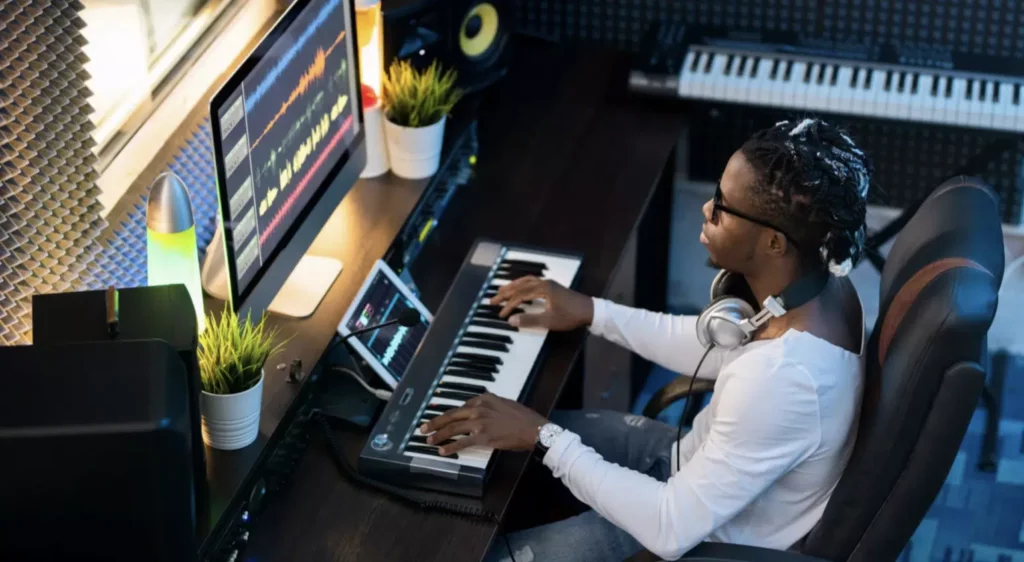
Release Music Consistently
Many new artists spend years creating one perfect song.
Instead, aim for steady improvement through regular releases.
Consistency helps:
- Train streaming algorithms
- Build listener expectations
- Improve songwriting
- Increase your catalog
- Create more promotional opportunities
Finished music always beats unfinished perfection.
Common Mistakes to Avoid
Many beginners waste money by:
- Buying expensive gear too early
- Ignoring songwriting
- Posting inconsistently
- Releasing music without promotion
- Copying every trend blindly
- Expecting instant success
- Giving up after one release
Success usually comes from persistence rather than overnight virality.
Budget Allocation Tips
If you have a limited budget, prioritize spending in this order:
- A reliable microphone.
- A basic audio interface.
- Recording software (if needed).
- Cover artwork.
- Professional mixing or mastering for your best songs.
- Small promotional campaigns after organic marketing efforts.
Avoid buying equipment you don’t yet know how to use.
Final Thoughts
Building a music career no longer requires a record label or a massive budget. With affordable recording equipment, free or low-cost distribution services, and creative social media strategies, independent artists have more opportunities than ever before.
Focus on creating great songs, learning new production skills, releasing music consistently, and engaging with your audience. Every track you finish and every post you share is another step toward building your reputation as an artist.
Remember, success isn’t determined by how much money you spend—it’s determined by how consistently you create, improve, and connect with listeners.