The Independent Musician’s Journey: Trends and Realities of Today’s DIY Music Industry
The music industry has changed more in the past two decades than in the previous fifty years. Major record labels no longer hold exclusive control over recording, distribution, or promotion. Today, an independent artist can write a song in a bedroom studio, distribute it worldwide, build an audience through social media, and earn income directly from fans—all without signing a traditional recording contract.
At the same time, this new freedom comes with new challenges. Millions of songs are uploaded to streaming services every year, algorithms influence what listeners discover, and artificial intelligence is changing how music is created, marketed, and consumed.
For today’s DIY musician, success is no longer defined by a single record deal. Instead, it depends on adaptability, creativity, and the ability to build meaningful relationships with listeners.
This article explores the most important trends shaping the modern independent music industry and explains how artists can thrive in this rapidly evolving environment.
The Rise of the Independent Artist
Not long ago, musicians needed a label to reach a global audience. Recording costs were high, physical distribution was expensive, and radio stations controlled much of the public’s musical discovery.
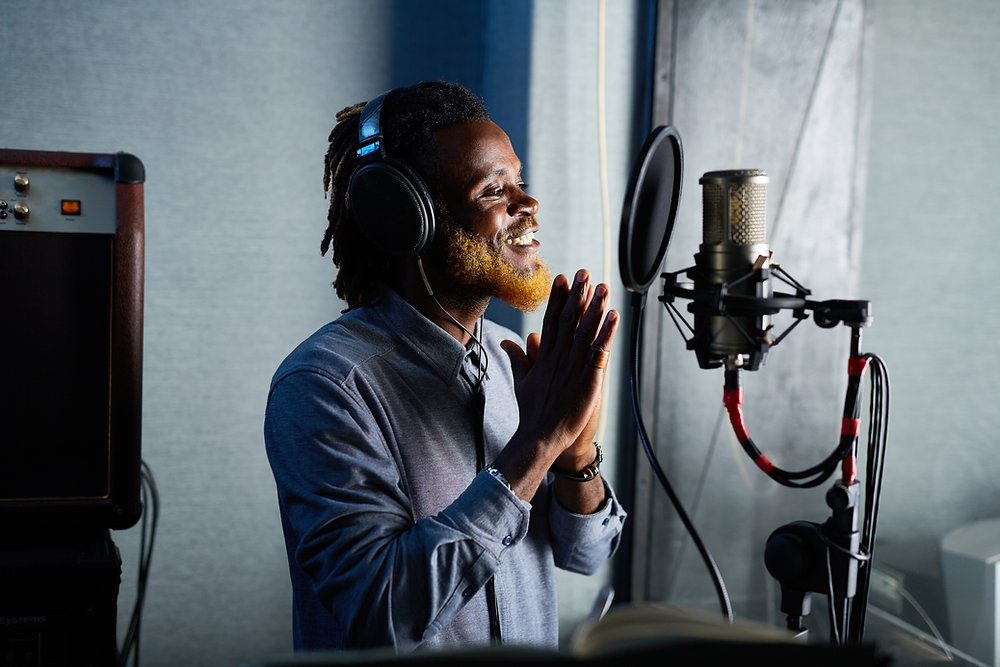
Today, affordable recording equipment, streaming platforms, and social media have removed many of those barriers.
Independent artists now have the ability to:
- Record professional-quality music at home.
- Release songs worldwide.
- Build communities through social media.
- Sell merchandise directly.
- Organize tours independently.
- Collaborate remotely with artists around the world.
This shift has created a more accessible—but also more competitive—music industry.
Streaming Changed Everything
Streaming has become the primary way people consume music.
Platforms such as Spotify, Apple Music, YouTube Music, Amazon Music, Deezer, and Tidal allow artists to reach listeners across the globe within hours of releasing a new song.
For independent musicians, streaming offers enormous opportunities:
- Global distribution.
- Low publishing barriers.
- Playlist exposure.
- Listener analytics.
- Long-term catalog income.
However, streaming also means competing against millions of other songs for attention.
Releasing music is easier than ever.
Being discovered is harder than ever.

Understanding Recommendation Algorithms
Modern streaming platforms rely heavily on recommendation algorithms.
These systems analyze factors such as:
- Listening habits.
- Skip rates.
- Playlist additions.
- Saves.
- Repeat plays.
- Sharing activity.
- User preferences.
Algorithms aim to recommend music listeners are most likely to enjoy.
This means artists should focus on creating music that encourages genuine engagement rather than trying to manipulate the system.
The strongest long-term strategy remains creating songs that listeners choose to return to repeatedly.
Social Media Is No Longer Optional
Today’s audiences often discover musicians before hearing a full song.
Platforms including:
- TikTok
- Instagram Reels
- YouTube Shorts
- Facebook Reels
have become powerful discovery tools.
Short-form content allows artists to showcase:
- Live performances.
- Songwriting sessions.
- Studio recordings.
- Behind-the-scenes moments.
- Personal stories.
- Creative experiments.
Fans increasingly connect with artists as people—not just as performers.
Authenticity often performs better than polished advertising.
Artificial Intelligence Is Reshaping Music
Artificial intelligence has become one of the most discussed topics in the music industry.
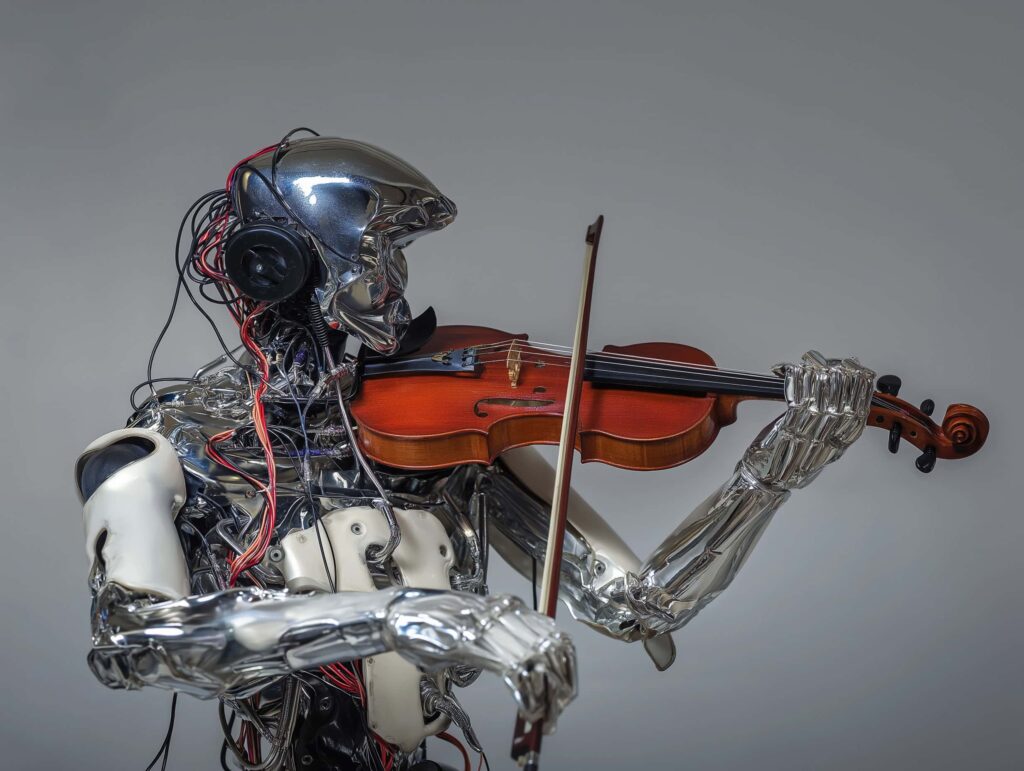
AI-powered tools can now assist with:
- Lyric brainstorming.
- Melody generation.
- Audio restoration.
- Mixing suggestions.
- Mastering.
- Video editing.
- Graphic design.
- Marketing content.
- Audience analytics.
For independent musicians, AI can save time and reduce production costs.
However, it works best as a creative assistant rather than a replacement for artistic expression.
Listeners continue to value originality, emotion, and personal storytelling—qualities that remain difficult to automate.
The Creator Economy Is Transforming Music Careers
Many artists no longer rely solely on streaming income.
Instead, they build multiple revenue streams.
This diversified approach creates greater financial stability and reduces dependence on any single platform.
Common income sources include:
- Live performances.
- Street busking.
- Merchandise.
- Teaching music.
- Session work.
- Licensing.
- Crowdfunding.
- Fan memberships.
The modern musician is often both an artist and an entrepreneur.
Direct Fan Support Is More Important Than Ever
One of the biggest changes in today’s music industry is the ability to earn income directly from supporters.
Instead of relying exclusively on streaming royalties, many musicians build communities where fans voluntarily contribute to their creative work.
Popular platforms include:
- Patreon
- Bandcamp
- Ko-fi
- Buy Me a Coffee
These services allow supporters to purchase music, subscribe for exclusive content, or make one-time contributions.
For independent artists, a dedicated community of a few hundred loyal fans can often provide more sustainable income than millions of passive streams.
Why Community Beats Virality
Viral success is exciting—but it can be unpredictable.
Communities are built through consistency.
Artists who regularly communicate with listeners often develop stronger long-term careers than those who rely on one viral moment.
Ways to strengthen your community include:
- Replying to comments.
- Sharing personal stories.
- Hosting live streams.
- Offering exclusive content.
- Inviting fan participation.
- Celebrating milestones together.
Music builds connections, but relationships build careers.
Diversify Your Online Presence
Depending entirely on one platform can be risky.
Algorithms change.
Features disappear.
Audience behavior evolves.
Successful independent musicians maintain a presence across multiple channels, including:
- Streaming services.
- Social media.
- Email newsletters.
- Personal websites.
- Video platforms.
Owning direct communication channels—such as an email list—provides greater long-term stability.
Data Can Help You Make Better Decisions
Digital platforms provide valuable insights into listener behavior.
Analytics can reveal:
- Which songs perform best.
- Where your audience lives.
- Which playlists generate streams.
- What time followers are most active.
- Which content receives the strongest engagement.
Use data to understand your audience, but don’t allow statistics to dictate every creative decision.
Numbers should inform your strategy—not replace your artistic instincts.
The Challenges of the Modern DIY Musician
Despite unprecedented opportunities, independent artists still face significant obstacles.
These include:
- High competition.
- Content overload.
- Constant algorithm changes.
- Financial uncertainty.
- Time management.
- Creative burnout.
- Balancing art with marketing.
Recognizing these challenges helps you prepare for them rather than becoming discouraged.
Skills Every Modern Independent Musician Needs
Today’s artists benefit from developing knowledge beyond music itself.
Important skills include:
- Songwriting.
- Recording.
- Music production.
- Live performance.
- Branding.
- Social media marketing.
- Video creation.
- Graphic design basics.
- Financial planning.
- Communication.
You don’t need to master everything immediately.
Learning gradually creates long-term independence.
Looking Toward the Future
The music industry will continue evolving.
Artificial intelligence will improve.
Streaming platforms will change.
New social networks will emerge.
Audience expectations will shift.
Yet some principles remain timeless:
- Great songs matter.
- Authenticity attracts loyal fans.
- Consistency builds momentum.
- Live performances create lasting memories.
- Human connection remains irreplaceable.
Technology changes rapidly, but meaningful art continues to resonate across generations.
Final Thoughts
Being an independent musician has never offered more opportunities—or required more versatility. Today’s DIY artists have access to powerful recording tools, global distribution, social media audiences, artificial intelligence, and direct fan support systems that were unimaginable just a generation ago.
Success in this environment depends on more than musical talent alone. It requires adaptability, curiosity, business awareness, and a willingness to embrace new technologies without losing your artistic identity.
The future belongs to musicians who combine creativity with resilience, innovation with authenticity, and technology with genuine human connection. Build your audience one song, one performance, and one relationship at a time, and you’ll be well positioned to thrive in the modern music industry—regardless of whether you ever sign a major record deal.