
The History of Music Genres and Forgotten Artists: Why the Past Still Shapes the Future
Every generation believes it is creating something entirely new. Yet almost every musical movement, no matter how revolutionary it seems, has roots in artists who came before. Many of today’s most popular genres were once dismissed as strange, rebellious, or commercially impossible.
History is filled with musicians who never achieved widespread recognition during their lifetimes but whose ideas later transformed the music industry. Their innovations influenced generations of performers, producers, and songwriters, proving that true creativity often takes time to be appreciated.
For independent musicians, understanding music history is more than an academic exercise. It provides inspiration, creative direction, and practical lessons for building an authentic artistic identity.
Every Mainstream Genre Was Once Underground
It’s easy to forget that genres we now consider mainstream were once viewed as niche or controversial.
Rock and roll shocked conservative audiences in the 1950s.
Hip-hop began at neighborhood block parties before becoming one of the world’s dominant musical styles.
Electronic dance music grew from underground clubs long before filling stadiums and festivals.
Indie music, punk, grunge, and alternative rock all started as communities of artists creating music outside the commercial mainstream.
Innovation often begins at the margins before reaching the center.
Why Forgotten Artists Matter
History usually remembers the stars, but progress is often driven by musicians whose names are less familiar.
Some artists introduced groundbreaking techniques without receiving commercial success. Others inspired famous performers who later brought those ideas to wider audiences.
Studying overlooked musicians reminds us that influence and popularity are not always the same thing.
Sometimes the artist who changes music isn’t the one who sells the most records.
Sister Rosetta Tharpe: The Godmother of Rock and Roll
Long before rock music became a global phenomenon, Sister Rosetta Tharpe was combining gospel, blues, and electrifying guitar performances.
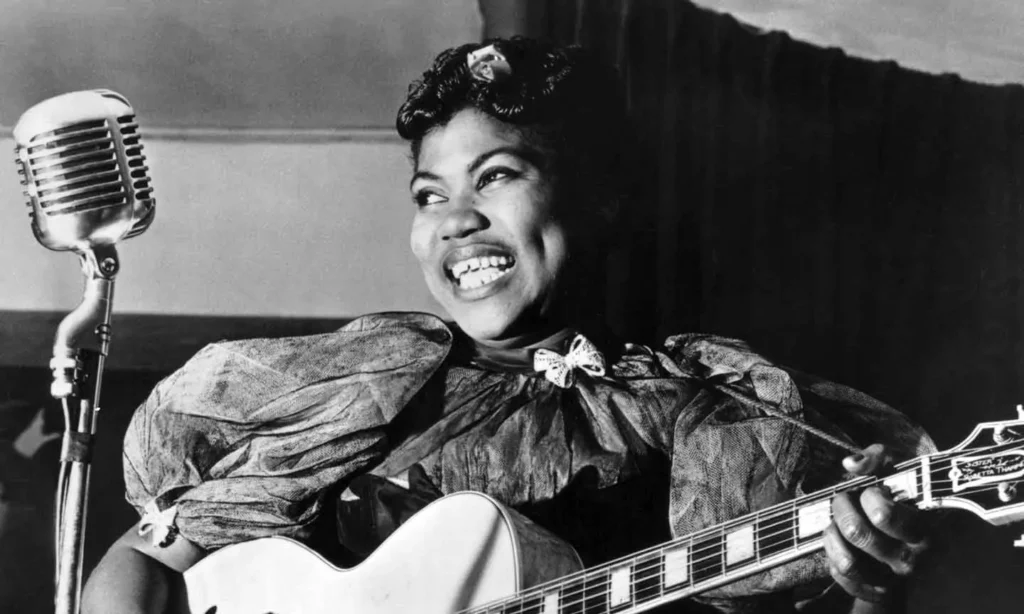
Her energetic playing style influenced generations of rock guitarists, even though her name was often overshadowed by later stars.
Today, many historians recognize her as one of the pioneers who helped shape rock and roll.
Lesson for Modern Artists
Don’t be afraid to blend genres. Some of the most influential sounds emerge from unexpected combinations.
Nick Drake: Recognition After His Time
British singer-songwriter Nick Drake released beautifully crafted folk albums during the late 1960s and early 1970s.
Commercial success largely eluded him during his lifetime, but decades later, musicians and listeners rediscovered his work.
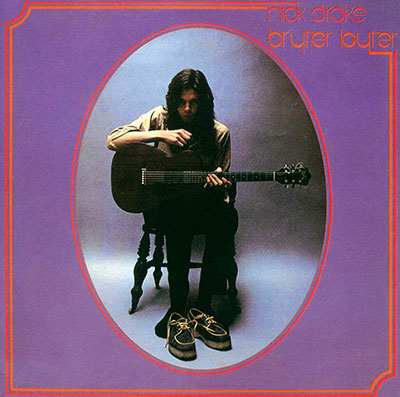
Today, his delicate songwriting, intimate vocals, and expressive guitar playing have inspired countless folk and indie artists.
Lesson for Modern Artists
Not every great work receives immediate recognition. Long-term artistic value often outlasts short-term popularity.
The Velvet Underground: Small Audience, Massive Influence
Although The Velvet Underground never achieved enormous commercial success in their early years, their experimental approach transformed alternative rock, punk, and indie music.
Their willingness to explore unconventional lyrics, minimalism, and raw production inspired generations of musicians.
One famous observation suggests that while relatively few people bought their early records, many of those listeners went on to form bands of their own.
Lesson for Modern Artists
A deeply engaged audience can have a greater cultural impact than a very large passive audience.
Rodriguez: Success Arrived Decades Later
Sixto Rodriguez experienced one of music history’s most remarkable stories.
His early albums received little attention in the United States, leading him to leave the music industry.
Unknown to Rodriguez, his music became enormously influential in South Africa, where generations of listeners embraced his songs.
His extraordinary story was later documented in the Academy Award-winning film Searching for Sugar Man.
Lesson for Modern Artists
Your audience may exist in places you never expect. Music has the power to travel far beyond its original release.
How Underground Music Becomes Mainstream
Many successful genres follow similar patterns.
Stage One: Innovation
A small group of artists experiments with new sounds.
Most listeners don’t understand the style immediately.
Stage Two: Community
Early supporters gather around clubs, independent venues, online forums, or local scenes.
Artists inspire one another and refine the genre together.
Stage Three: Wider Recognition
Media, streaming platforms, or influential musicians introduce the style to larger audiences.
The genre begins attracting commercial attention.
Stage Four: Mainstream Adoption
Major labels, festivals, advertisers, and global audiences embrace the sound.
What was once considered unconventional becomes part of popular culture.
Independent musicians often play the most important role during the earliest stages of this cycle.
What Modern Artists Can Learn from Forgotten Musicians
History offers practical lessons that remain relevant today.

Originality Lasts Longer Than Trends
Many forgotten pioneers succeeded because they explored ideas that others ignored.
Rather than chasing every popular trend, focus on creating something genuine.
Authenticity has a longer lifespan than imitation.
Experiment Without Fear
Innovation rarely feels comfortable.
Artists who changed music often challenged expectations instead of following established formulas.
Allow yourself to experiment with:
- New song structures
- Unusual instruments
- Genre combinations
- Different vocal techniques
- Creative production methods
Some ideas won’t work—but the ones that do may define your artistic identity.
Build Strong Communities
Underground movements thrive because artists support one another.
Collaboration, local performances, and creative partnerships often strengthen an entire music scene.
Success doesn’t always require competition.
Sometimes the fastest way to grow is by helping other musicians grow as well.
Tell Authentic Stories
Many legendary songwriters are remembered not because their music was technically perfect, but because it felt honest.
Audiences connect with authenticity.
Whether you’re writing about personal experiences, social issues, or everyday life, sincerity creates emotional impact.
Why Music History Matters in the Streaming Era
Streaming platforms provide instant access to millions of songs from every era.
Instead of limiting yourself to current playlists, explore:
- Early blues recordings
- Classic jazz
- Folk traditions
- Experimental electronic music
- Punk pioneers
- Underground hip-hop
- International genres
Every discovery expands your creative vocabulary.
The more influences you understand, the more original your own music can become.
Create the Future by Studying the Past
Learning music history isn’t about copying previous generations.
It’s about recognizing patterns.
Every influential movement began with artists who were willing to sound different.
Every genre evolved because someone challenged expectations.
Every musical revolution started with a handful of people who believed their ideas deserved to be heard.
Those same opportunities still exist today.
Common Mistakes Modern Musicians Make
Many artists limit their growth by:
- Listening only to current chart music.
- Following trends without understanding their origins.
- Ignoring lesser-known musicians.
- Copying successful artists instead of developing their own voice.
- Assuming innovation always means using new technology.
Sometimes the freshest ideas come from rediscovering forgotten traditions.
Final Thoughts
The history of music is filled with artists whose creativity reached far beyond the recognition they received during their lifetimes. From pioneering guitarists and visionary songwriters to experimental bands that inspired entire generations, forgotten musicians continue to shape the sounds we hear today.
For independent artists, exploring the past isn’t about nostalgia—it’s about discovering new perspectives, avoiding creative imitation, and understanding how lasting musical movements are born. Nearly every genre that dominates today’s charts once existed on the fringes, supported by passionate communities and fearless innovators.
The next breakthrough in music may not come from following the latest trend. It may come from studying the overlooked voices of the past, combining their ideas with your own experiences, and creating something that future generations will one day call timeless.